Lightweight Waterproof Materials for Backpacking: What You Required to Know
When you're deep in the backcountry with miles to go and a storm rolling in, your equipment ends up being every little thing. The distinction between an unpleasant, soggy experience and a safe, comfy experience frequently boils down to one thing: the materials shielding you and your set from the elements. Over the past 20 years, the outside industry has actually made amazing developments in lightweight waterproof materials and finishings, giving backpackers alternatives that were unbelievable to earlier generations of hikers. Here's a malfunction of the most vital materials forming contemporary water resistant backpacking equipment.
Why Weight Matters in Waterproofing
Every gram relies on a multi-day backpacking trip. Traditional water resistant gear-- thick rubber ponchos, hefty coated nylon shells-- supplied strong protection but came with a penalizing weight expense. The challenge has actually constantly been balancing three completing needs: waterproofness, breathability, and weight. Hefty products can accomplish 2 of these easily; the real advancement lies in attaining all 3 all at once. Today's materials are doing exactly that, and backpackers are profiting.
Trick Lightweight Waterproof Materials
Gore-Tex and ePTFE Membranes
Gore-Tex continues to be the gold criterion whereby most water-proof breathable fabrics are gauged. It uses a broadened polytetrafluoroethylene (ePTFE) membrane bound to a face textile. The membrane consists of billions of microscopic pores-- big enough to allow water vapor (sweat) getaway, yet far too tiny for liquid water beads to go into. Modern Gore-Tex Pro and Gore-Tex Paclite variants have actually become dramatically lighter while maintaining their legendary longevity and waterproofing. Paclite, particularly, eliminates the inner backer material, cutting significant weight for those focusing on minimalism on route.
Dyneema Compound Material (DCF)
Formerly known as Cuben Fiber, Dyneema Composite Material has actually become something of a cult product among ultralight backpackers. Initially created for high-performance sailing, DCF is a laminate made from ultra-high-molecular-weight polyethylene fibers sandwiched in between 2 slim polyester films. The outcome is a material that is very strong for its weight, naturally water resistant (not simply waterproof), and very tear-resistant. Tarps, rain jackets, and backpacks made from DCF can consider a portion of their traditional counterparts. The trade-off is price-- DCF gear is dramatically a lot more pricey-- and a characteristic crinkly feel that some hikers discover much less comfy versus the skin.
occasion and Other ePTFE Alternatives
eVent is a notable rival to Gore-Tex that utilizes a similar ePTFE membrane but with an essential difference: the pores are not covered with polyurethane, which implies dampness vapor can escape straight via the membrane layer without requiring sweat pressure to press it out. In practice, this makes occasion jackets really feel more breathable during high-output activities like steep climbs. For backpackers who press hard on route and run cozy, this can be a purposeful benefit in an in a similar way light-weight plan.
Silnylon and Silpoly
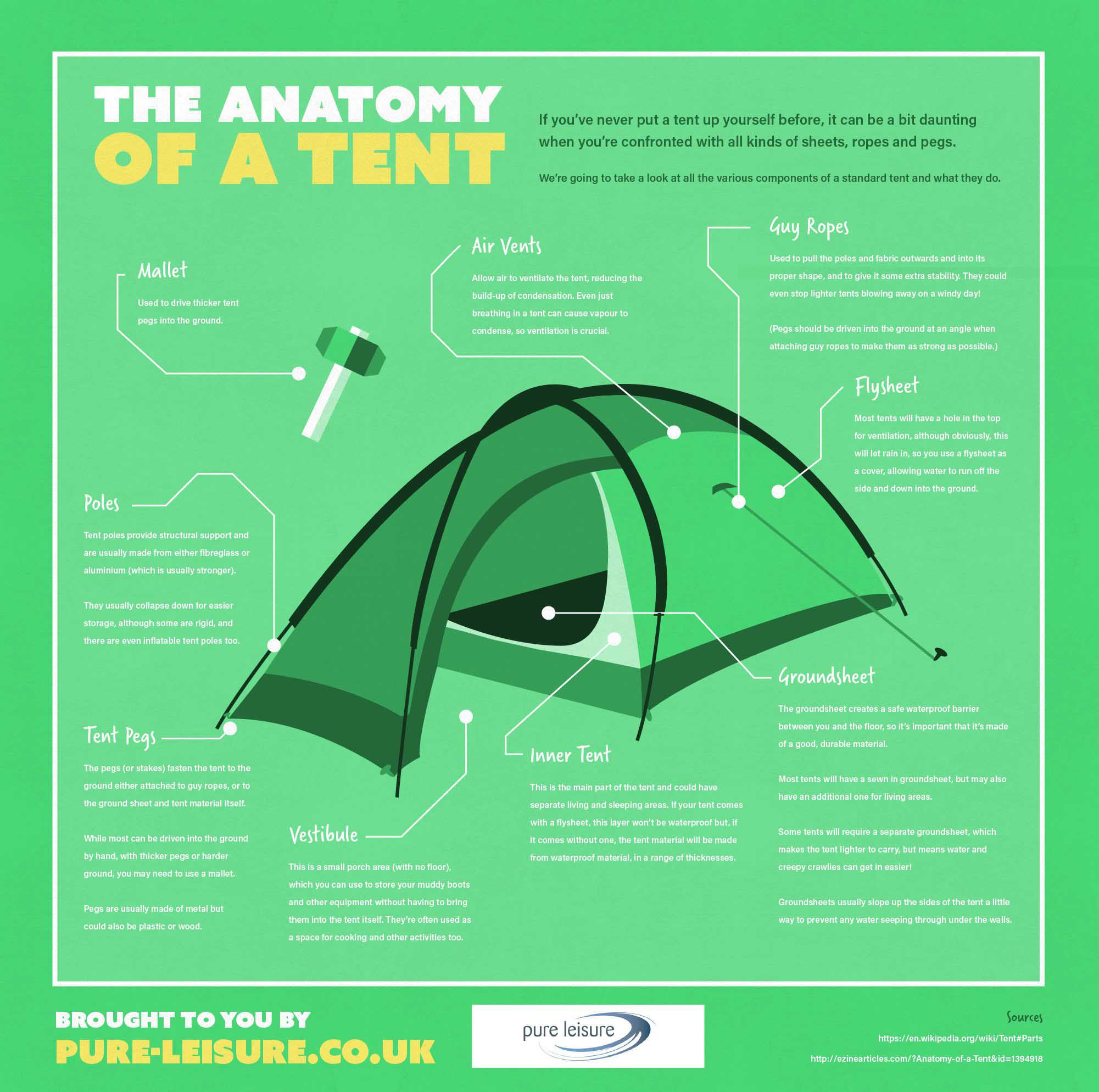
Silicone-impregnated nylon (silnylon) and silicone-impregnated polyester (silpoly) are workhorses of the ultralight sanctuary globe. These products are covered on both sides with silicone, producing an extremely waterproof material that stays versatile also in cold temperature levels. Silpoly has actually grown in appeal because polyester stretches less than nylon when damp, which means silpoly tarps and outdoor tents bodies maintain their pitch much better in rain. check out here Neither silnylon nor silpoly is totally waterproof under extended hydrostatic stress, but for rain flys and sanctuaries with correct pitch and catenary curves, they carry out remarkably well at a really low weight and cost factor.
Sturdy Water Repellent (DWR) Coatings
Most water resistant textiles rely upon a DWR finish put on the external face textile to cause water to bead and roll off instead of fill the product. Without an operating DWR, even a Gore-Tex jacket can "wet out," triggering the face textile to soak up water and significantly minimize breathability. DWR diminishes over time with washing and abrasion. Backpackers ought to freshen their equipment's DWR occasionally using spray-on or wash-in treatments. The market is actively relocating far from PFAS-based DWR chemicals towards fluorine-free choices that are more secure for the setting without significantly compromising performance.
Selecting the Right Product for Your Journey
The most effective water-proof product relies on your top priorities. For multi-week explorations in harsh conditions, the sturdiness of Gore-Tex Pro validates the additional weight. For a fast-and-light weekend break journey, a silpoly tarpaulin or DCF rainfall coat may be suitable. Spending plan additionally contributes-- silnylon sanctuaries supply impressive efficiency per buck, while DCF continues to be a costs financial investment.
Comprehending what's inside your equipment assists you make smarter choices on the route-- and keeps you drier when the weather transforms.